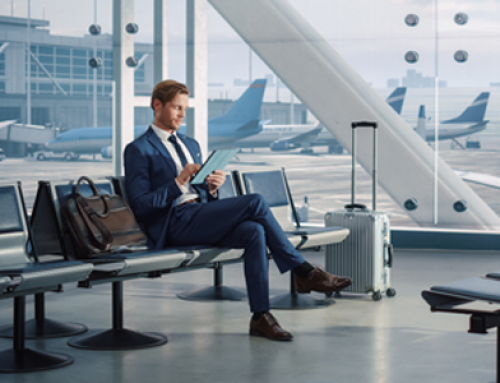

Small upgrades can make a big difference to business travel comfort, without the cost of a full Business Class fare.
Whether it’s a little more leg room, somewhere to prep for a meeting, or a hotel room you can use until it’s time to leave for the airport, small upgrades can make a big difference to your trip.
These comforts can help business travellers arrive better prepared and make more productive use of their time away. And when travel budgets are under pressure, choosing the right extras matters.
At Spencer Corporate Travel, we believe a good travel experience should be within reach whether you travel every week or just a few times a year. Here are some practical ways to improve your next trip while keeping costs in check.
1. Extra legroom for extra comfort
For longer domestic flights, extra legroom can be a worthwhile investment. It allows you to stretch out and settle in more comfortably without paying for a full cabin upgrade.
Exit-row seats are one option, although travellers must meet the airline’s safety requirements and be willing and able to assist in an emergency. Check the seat details before booking, as seat recline and storage arrangements can vary across aircrafts.
For Australian domestic travel, Qantas and Virgin Australia also offer enhanced Economy seating:
| Option | What you get* | What to budget* |
|---|---|---|
| Virgin Australia Economy X | Up to 40% more legroom, priority boarding and dedicated overhead locker space. A 14kg carry-on allowance applies, subject to individual bag limits. | Prices vary by flight and seat. Virgin Australia has advertised Economy X exit-row seats from $12 per person, per sector; confirm the available price when booking. |
| Qantas Economy Plus | Up to 40% more legroom, priority boarding and priority access to overhead lockers on selected aircraft. | Route-dependent pricing, available when selecting your seat. Eligible frequent flyers may receive complimentary access. |
Economy X and Economy Plus are seating options within Economy, so your underlying fare conditions still matter. Check baggage, flexibility and other inclusions when comparing the total cost.
TIP: Prioritise extra space on longer sectors or when you need to arrive ready for a demanding day. You don’t necessarily need the same upgrade on every flight.
2. Upgrade to Premium Economy
Neither Qantas nor Virgin Australia offers a separate Premium Economy cabin on domestic services. For domestic trips, Qantas Economy Plus and Virgin Australia Economy X are the relevant options between standard Economy seating and Business Class.
For international travel however, Qantas offers Premium Economy on selected routes, with a separate cabin, a more spacious seat and enhanced dining and service. It is worth comparing when you want greater comfort on a longer journey without purchasing a Business Class ticket. Pricing depends on the route, travel dates and availability.
Long-haul mix & match
On some airlines, such as Singapore Airlines, you also have the option to mix booking classes on specific legs of your long-haul journey – for example, you may opt for economy class on SYD-SIN then upgrade to premium economy on SIN-LON. This combination can allow for greater comfort on the longer flight sector to boost sleep and productivity when it matters most, while keeping costs to a minimum.
3. Turn airport time into business time
If your ticket or loyalty status doesn’t include lounge access, a paid lounge visit may be worth considering.
Virgin Australia currently offers adult single-entry lounge passes for $65, purchased at lounge reception. Access is available up to two hours before a same-day Virgin Australia departure, subject to capacity and operational conditions. Facilities include food, drinks and Wi-Fi, with showers available to freshen up before flying.
Qantas single-use Lounge Passes can be purchased online prior to departure if you have an eligible booking on a Qantas operated flight. Costs vary depending on demand and location, and you can pay by cash or Qantas Points.
The value depends on how you will use it. If you have time to eat, recharge and prepare for a meeting, a lounge can be a useful addition. And it can reduce expense claim administration from multiple meal and beverage transactions into a single cost.
Before paying, check whether your frequent flyer account, eligible credit card or business travel program already provides access or complimentary passes.
TIP: Compare the lounge fee with the airport food and drinks you would otherwise purchase, as well as the value of having somewhere to work. Keep confidential calls and sensitive information away from shared spaces.
4. Make your business loyalty program work harder
Airline business rewards programs can provide benefits for the company alongside the traveller’s own frequent flyer membership.
Qantas Business Rewards offers eligible businesses and their travellers savings of up to 30% on Qantas Club membership. For regular travellers, discounted membership may be more economical than arranging access trip by trip.
Virgin Australia Business Flyer lets eligible businesses earn Velocity Points alongside their travellers. It also offers discounted lounge membership, with additional rewards such as lounge passes and opportunities to access Gold status as businesses reach qualifying tiers. Conditions and thresholds apply.
Make sure your business membership details and each traveller’s frequent flyer number are included in eligible bookings.
TIP: Use loyalty benefits to add value to a suitable booking. Compare the full trip cost before paying more simply to earn points or maintain status.
5. Upgrade your hotel stay where it counts
A better business travel experience is often about having the right facilities at the right time.
Ask about early check-in and late check-out
Arriving on an early flight? Access to your room before a meeting can give you somewhere to shower, change and prepare.
Flying home in the evening? Late check-out can provide a comfortable base for calls or focused work between appointments.
Ask about complimentary availability first, then compare any fees with alternatives such as a day-use room or a workspace. If access is essential, arrange a confirmed option rather than relying on a request that may only be approved on the day.
Consider a serviced apartment for longer stays
A serviced apartment can be worth comparing for multi-night trips. Separate living and sleeping areas, kitchen facilities and laundry access can make time away more comfortable and help reduce meal and laundry expenses.
Check the complete offering, including Wi-Fi, housekeeping, parking and location. A lower nightly rate loses its appeal if it creates extra transport costs or a long daily commute.
Choose a room upgrade with a practical benefit
A larger room or higher category may be useful if it provides:
- A proper desk and comfortable chair for working.
- Separate space for working and relaxing.
- Access to on-site business and wellness facilities.
- Included breakfast.
Compare the upgrade price with the value of the inclusions. A room with breakfast and lounge access may cost less overall than a cheaper room with everything added separately.
You can also request a quiet room away from lifts or busy areas. It’s a simple preference that may improve your stay without an additional charge.
6. Check the hotel benefits you already have
Hotel loyalty programs can provide useful extras, depending on your membership level, property and booking eligibility.
For example, ALL Accor lists late check-out among Silver status benefits, with room upgrades and early check-in or late check-out at Gold status. Availability and brand-specific conditions apply.
Include your membership number when booking and ask your travel consultant to check whether the selected rate qualifies for points and benefits.
TIP: Treat a complimentary upgrade as a welcome extra. If a particular room feature is essential for your trip, book it.
7. Build comfort into your corporate travel policy
For travel bookers and program managers, modest upgrades are easier to manage when the policy explains when they are appropriate.
Consider allowing extra-legroom seating on longer flights, lounge access during substantial airport waits and lay-overs, or paid late check-out when it supports a productive afternoon before an evening departure.
Set clear spending limits and consider travellers’ individual needs. Comfort shouldn’t depend solely on seniority or how often someone travels.
The same principle applies to flight times and hotel location. A slightly higher fare or room rate may offer better overall value if it avoids an unnecessary connection, lengthy transfer or impractical schedule.
A better business trip starts with smarter travel choices
Managing a travel budget means understanding where spending a little more can deliver a useful return.
At Spencer Corporate Travel, we care about both the cost of your trip and how you experience it. Our team can help you compare seating options, accommodation inclusions and available loyalty benefits to find the right balance for your business.
Contact your Spencer Corporate Travel consultant or Account Manager to explore ways to make your next trip more comfortable, productive and cost-effective.
Prices are in Australian dollars (AUD) unless stated otherwise. Airline pricing, products and benefits are subject to change, eligibility and availability. Confirm current costs and inclusions when booking.